
🔥 Introduction
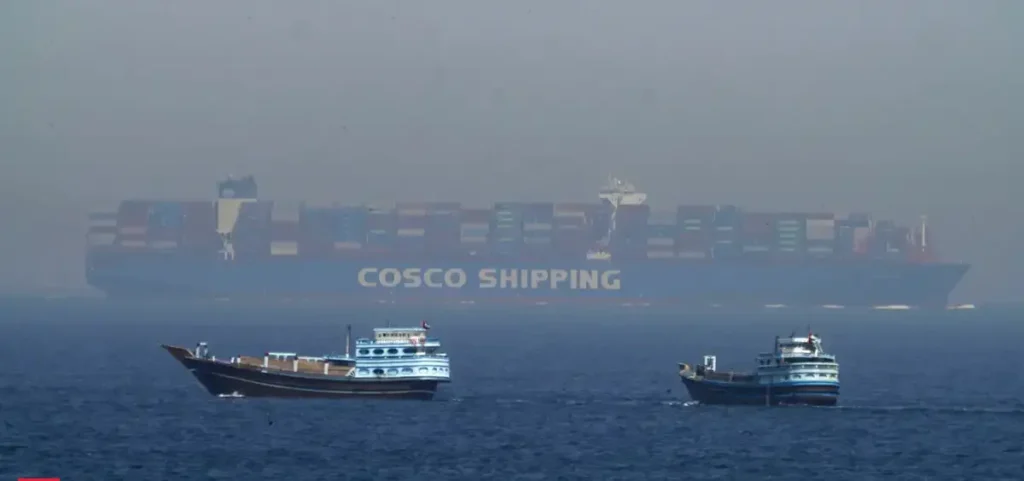
The Strait of Hormuz, one of the world’s most critical oil shipping routes, is currently at the center of a major global crisis in 2026. This narrow waterway handles nearly 20% of the world’s oil supply, making any disruption extremely impactful on global economies.
With rising geopolitical tensions and military conflict, the situation has become uncertain—and the world is asking one big question:
👉 When will the Strait of Hormuz reopen?
📍 What Is Happening Right Now? (April 2026 Update)
🚢 1. Strait Is Not Fully Open
- The Strait is partially blocked and heavily restricted.
- Only select ships (mainly approved or neutral countries) are allowed to pass.
- Daily ship traffic has dropped drastically—from ~130 ships/day to just a few.
👉 In simple terms: It’s not completely closed, but not functioning normally either.
⚔️ 2. Main Cause: Iran War & Geopolitical Conflict
- Crisis started on 28 February 2026 after US–Israel strikes on Iran.
- Iran responded by:
- Attacking ships
- Placing naval threats
- Restricting maritime access
👉 This created the biggest oil supply disruption in decades.
⛽ 3. Global Impact
- Oil prices surged close to $120 per barrel.
- Around 15% of global oil supply is affected.
- Many countries (including India) are facing:
- Fuel price rise
- Supply chain disruption
- Economic pressure
🌐 4. Limited & Controlled Shipping
- Some ships from countries like India, China, and Pakistan are allowed selective passage.
- But:
- High risk
- Expensive insurance
- Military threats
👉 So most global shipping companies are avoiding the route.
📊 Why Is Strait of Hormuz So Important?
- Connects Persian Gulf → Global Markets
- Handles:
- Oil exports from Saudi Arabia, UAE, Kuwait, Iraq
- LNG shipments worldwide
📌 If it stays blocked:
- Fuel prices rise globally
- Inflation increases
- Economic slowdown risk
🔮 When Will Strait of Hormuz Reopen?
🧠 Short Answer: No Fixed Timeline Yet
🟡 Scenario 1: Diplomatic Deal (Best Case)
- Ongoing talks between global powers
- A peace agreement could reopen the strait within days or weeks
- Some proposals suggest reopening as part of a ceasefire deal
👉 Probability: Medium (depends on politics)
🔴 Scenario 2: Continued Conflict (Worst Case)
- Iran has clearly said:
- It will NOT reopen the strait for temporary ceasefire deals
- Military escalation could:
- Keep it blocked for months
- Worsen global crisis
👉 Probability: High (currently ongoing tension)
🔵 Scenario 3: Military Intervention
- Countries are discussing:
- Naval escorts
- Mine-clearing operations
- International pressure coalition
👉 But reopening via force is:
- Risky
- Slow
- Could escalate war further
⏳ Expert Prediction Timeline
| Scenario | Estimated Reopening Time |
|---|---|
| Peace deal | Few days to weeks |
| Partial reopening | Already happening (limited ships) |
| Full reopening | Weeks to months |
| Prolonged war | Uncertain (could be long-term) |
⚠️ Key Risks to Watch
- Escalation between US & Iran
- Attacks on oil infrastructure
- Expansion to Red Sea / global shipping routes
- Political pressure from major economies
📌 Final Conclusion
The Strait of Hormuz is currently in a semi-closed, high-risk state—not fully shut, but far from normal operations.
👉 Reopening depends entirely on:
- Geopolitical negotiations
- War developments
- International pressure
💡 As of now, the most realistic expectation is:
Partial access continues, but full reopening may take weeks or even months.